Latest Enforcement Action by the CFBPB
Supreme Court Ruling May Impact Repossessions Prior to Filing Bankruptcy
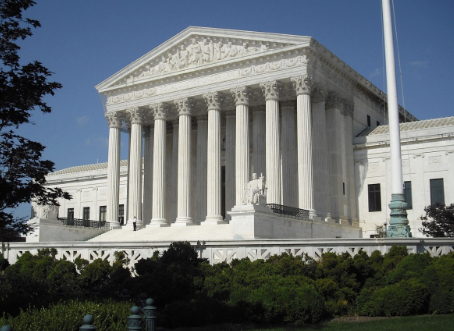
On Thursday, January 14, 2021, the Supreme Court issued a ruling in City of Chicago v. Fulton, that holds “mere retention of property does not violate the [automatic stay in] §362(a)(3)”. Unlike in Florida, the other states in the 11th Circuit (Georgia, Alabama) require a vehicle which is repossessed but not yet sold, prior to the filing of bankruptcy, to be returned to the debtor.
This ruling looks to change this imposition on creditors; however, the Court left a lot of room for debtors to still challenge the retention of held property. They explicitly did not decide whether the turnover obligation in §542 would still require the creditor to return a vehicle in this specific situation, or whether or not §362(a)(4) and (a)(6) would apply as well. Either way, this is a step in the right direction for creditors.
If you have any questions on this ruling or any other bankruptcy matter, please do not hesitate to reach out to one of the attorneys at the Sorenson Van Leuven Law Firm.

CFPB Final Rule Update
CFPB Issues Final Rule on Consumer Disclosures Related to Debt Collection
On Friday, December 18, 2020, the Consumer Financial Protection Bureau (CFPB) issued a Final Rule that implements certain disclosure requirements for consumers under the Fair Debt Collection Practices Act (FDCPA). This Rule has been expected since an announcement by the CFPB in October when it released its Final Rule on debt collection communications.
The new Rule takes effect on November 30, 2021. The Rule requires debt collectors to provide an initial detailed disclosure about the consumer’s debt and rights in debt collection. This communication must go out prior to any collection activity or within five days of the initial communication from the debt collector. These disclosures serve to provide the consumer with certain information about the debt, information about consumer protections provided by applicable law, and information on how the consumer can respond. The Rule provides a model form for the initial disclosures.
The initial disclosures are required by a debt collector even when the consumer is deceased, if the initial communication regarding the debt occurs after the consumer’s death. In the case of a deceased consumer, the debt collector must provide notice to “a person who is authorized to act on behalf of the deceased consumer’s estate.” However, the initial disclosure is not required if the first act of the debt collector is to file a proof of claim in a bankruptcy proceeding.
In addition to the initial communication requirements, the Rule requires debt collectors to take certain steps to disclose the existence of a debt to a consumer before reporting information to a consumer reporting agency. Finally, the Rule prohibits debt collectors from making threats to sue, or from suing, consumers on time-barred debts.
Unlike the Rule on debt collection communication, this Rule is expected to have limited impact on creditors, such as Credit Unions, collecting their own debts. However, the Rule will impact any third-party debt collectors the Credit Union uses, including lawyers who collect on consumer debts. My firm has already begun analyzing the Rule to determine how its procedures and process will need to change to comply with the new Rule. A full copy of the new Rule can be found here.
Should you have questions about the new Rule, please do not hesitate to contact a lawyer at SVL.