Changes to FATCA and Impact on Lenders

Changes to FATCA and Impact on Lenders
There is a change to the Foreign Account Tax Compliance Act (FATCA) that will have a limited impact on financial institutions. FATCA was enacted into law to combat tax evasion through foreign accounts and investments. Since the law’s enactment, the IRS has been enacting regulations to enforce this law.
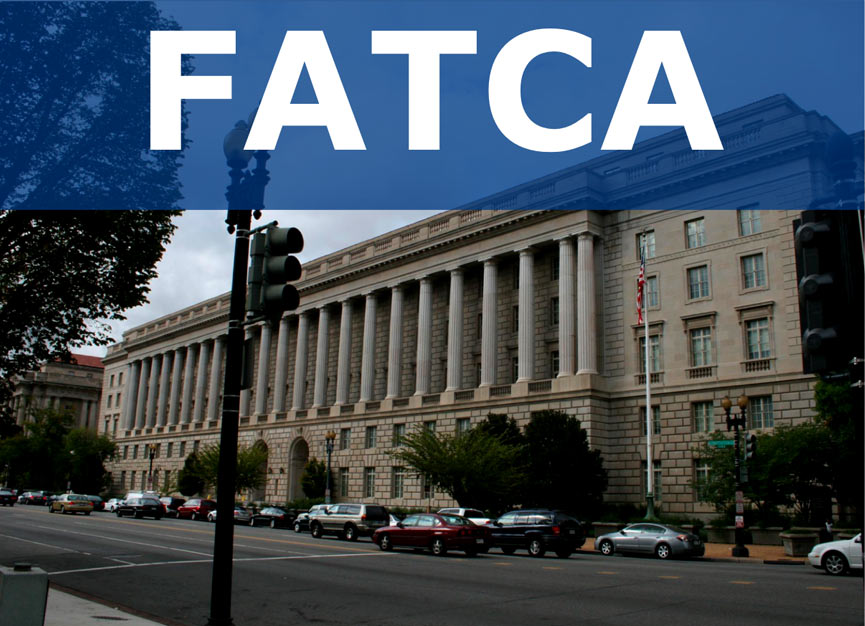 A new regulation goes into effect on January 1, 2019. This new regulation impacts insurance companies and requires that insurance companies distinguish between U.S. and foreign financial institutions. If a financial institution has not been identified as a U.S. financial institution, the insurance company will apply a thirty (30%) withholding to certain payouts and the amount withheld will be paid to the IRS. As such, insurance companies will be requesting a W-9 from financial institutions listed as a loss payee on an insurance policy.
Some of our clients have already received demands for a completed Form W-9 from auto insurance companies. We expect that additional insurance companies will make similar demands. As such, when requested, the Credit Union should submit a W-9 to the insurance company to avoid a thirty percent (30%) withholding on any loss payee payment.
Should you have additional questions, please do not hesitate to contact a lawyer at SVL for further guidance and information.


 This opinion is the first written opinion by a Federal Circuit Court since the D.C. Circuit struck down the FCC’s definition of an ATDS earlier this year in its opinion, ACA Int’l v. Fed. Communication Commission 885 F.3d 687 (D.C. Circ. 2018). After the D.C. Circuit struck down the FCC’s broad definition of an ATDS, defense lawyers and business leaders hoped that the FCC and other courts would adopt a more restrictive definition.

 With the steady rise in home prices throughout Florida, more and more foreclosed properties are selling at foreclosure sales for amounts that exceed what the foreclosing lending is owed on its final judgment. These monies that exceed what the foreclosing lender is owed in their final judgment are called “surplus funds”. When you have surplus funds, all junior lienholders who were included as defendants in the foreclosure lawsuit may file a claim for the surplus funds. The Court will then hold a hearing to determine how the surplus funds should be awarded. The general rule in Florida is that the funds are to be paid to the junior lien holders who filed a claim based on their lien priority, with any remainder being awarded to the record owner of the property at the time that the lis pendens is recorded. Section 45.032 (2), Florida Statutes. Any junior lienholder who wants to make a claim has 60-days to file their claim. Where the lower Courts disagree is on the question of when that 60-days begins to run. Some Courts held that a junior lienholder had 60-days from the date of the foreclosure sale to file their claim. While other Courts held that the deadline did not begin to run until the Clerk issued the Certificate of Title. The Supreme Court in its holding in Glenville resolved any disputes among the lower Courts by holding that the 60-days begins to run once the Clerk issues the Certificate of Disbursements.