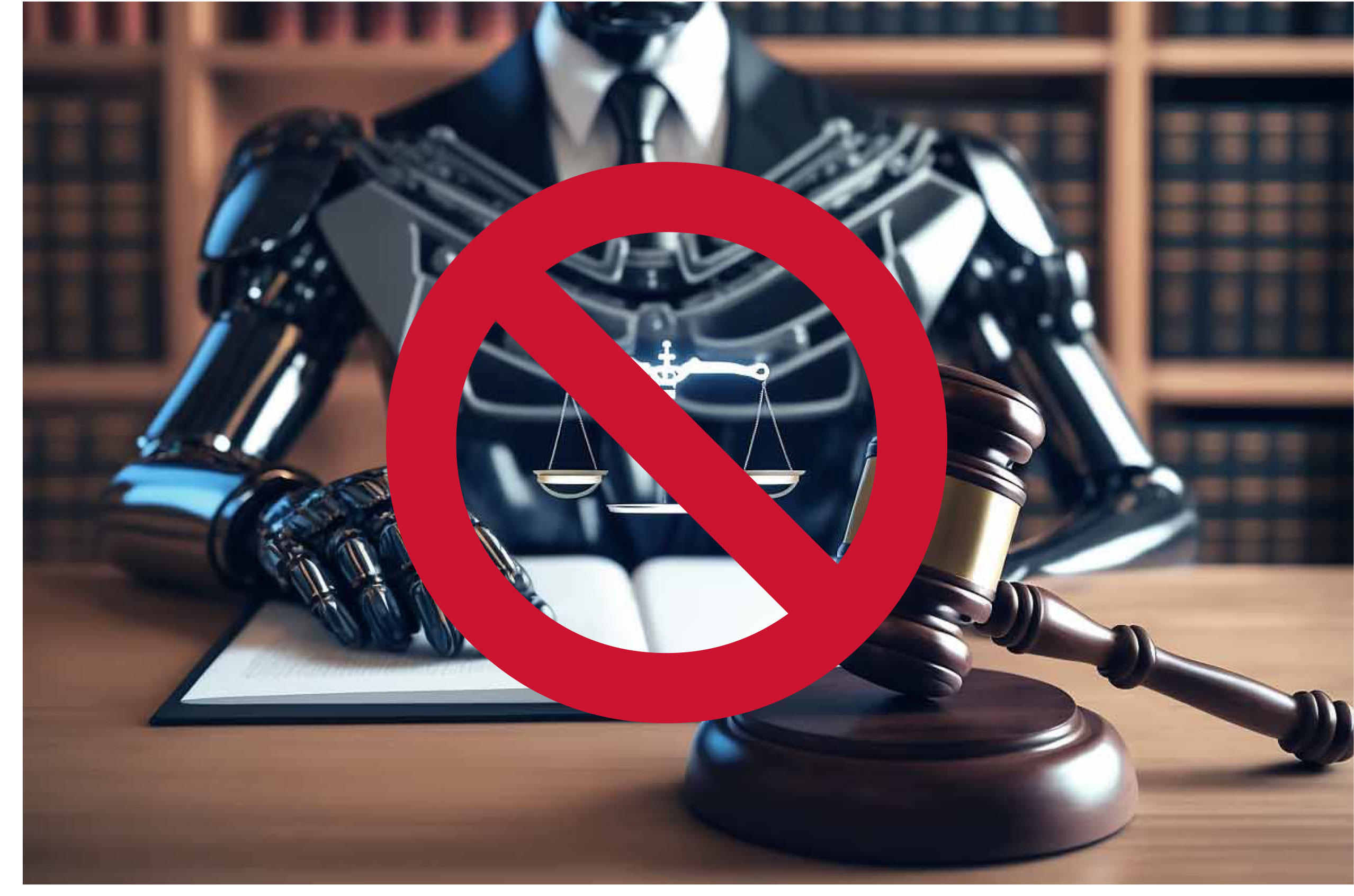
 In a recent decision from the United States District Court for the Southern District of New York, the court addressed a growing issue for businesses using generative artificial intelligence. In United States v. Heppner (Feb. 17, 2026), the court held that written exchanges between a defendant and an AI platform were not protected by the attorney-client privilege or the work product doctrine.
The defendant had used an AI tool to prepare written analyses of his legal strategy and later claimed those communications were privileged. The court rejected that argument. It emphasized that communications with an AI platform are not communications with a lawyer, and that sharing sensitive information with a third-party platform—particularly one that may collect, retain, or disclose user data—undermines any expectation of confidentiality. The court also found that documents generated independently by a user, without direction from counsel, were not protected work product.
For credit unions, the takeaway is clear: generative AI is a powerful tool, but it is not a lawyer, and it is not automatically covered by traditional privilege doctrines. The legal framework governing AI continues to evolve, and courts may scrutinize how AI tools are used in connection with sensitive matters.
Before entering confidential member information, examination findings, litigation strategy, or other sensitive data into an AI platform, consult counsel. The convenience of AI should never come at the expense of privilege or regulatory compliance.
Should you have questions about the use of AI or developing a policy for the use of AI, please do not hesitate to contact our firm.