
Litigation Risks Facing Credit Unions
Fannie Mae and Freddie Mac Extend Foreclosure Moratorium

 On February 25, 2021, the Federal Housing Finance Administration (FHFA), an independent federal agency that oversees Fannie Mae and Freddie Mac, announced that it is extending its moratorium on residential foreclosures through June 30, 2021. The extension is in line with the extension of the moratorium for federally backed residential mortgages (loans insured by HUD, VA and USDA) that was announced earlier this month by the Biden Administration. As with the extension on federally backed loans, the FHFA moratorium was scheduled to expire on March 31, 2021.
In addition to extending the moratorium on foreclosures, FHFA is also offering an additional 3-month forbearance, which is in addition to the 3-month extension that was announced earlier this year. This will enable borrowers to be in a forbearance for 18 months, and possibly defer the 18-months of payments until maturity or the loan is refinanced.
If you have any questions or concerns about these moratoriums, or any other matters related to creditor’s rights, please do not hesitate to reach out to one of the attorneys at Sorenson Van Leuven, PLLC.

Servicemembers Civil Relief Act (SCRA) – Repossessions
President Biden Extends Foreclosure Moratorium

Today, February 16, 2021, President Biden announced that the current moratorium on foreclosures for federally backed mortgages (loans insured by HUD, VA and USDA) is extended through June 30, 2021. The moratorium on federally back loans, which has been in place since March 2020 and extended on several occasions, was scheduled to expire on March 31, 2021.
In addition to extending the moratorium on foreclosures, the Biden Administration is also extending the forbearance enrollment period on federally backed loans through June 30, 2021. They are also providing an additional six-month forbearance for those borrowers that entered into a forbearance on or before June 30, 2020.
Last week, the Federal Housing Finance Administration (FHFA), an independent federal agency that oversees Fannie Mae and Freddie Mac, announced that it was extending the moratorium on foreclosures through March 31, 2021. In addition, they are now offering an additional forbearance extension of up to three months, for a total of fifteen months.
If you have any questions or concerns about these moratoriums, or any other matters related to creditor’s rights, please do not hesitate to reach out to one of the attorneys at Sorenson Van Leuven, PLLC.
Virtual Lunch & Learn Hosted by SVL Law Firm
On March 10, 2021, we will be hosting a new Virtual Lunch and Learn. The event will take place from 12:00 p.m. (noon) until 1:15 p.m. Eastern Time. Join Jim, Tyler, Steve, and Blair as we discuss the latest issues regarding new Federal laws, COVID-19 and other hot topics related to collections, bankruptcy, and foreclosure matters. There is no cost to attend.

The meeting will be held via Zoom, and we encourage you to log in using a computer, tablet, or smartphone with a camera so that we can see each other and participate in a “face to face” gathering. We ask that you RSVP for this event by emailing Whitney at whitneyw@svllaw.com no later than Friday, March 5th, at 5:00 p.m. Upon receiving your RSVP, Whitney will send you an email with the password for entering the zoom meeting and a gift card to DoorDash.
You will not get the password to join the meeting unless you RSVP. If you plan to attend, remember to mark your calendar and copy the link below into your calendar for future reference.
Join Zoom Meeting
https://svllaw.zoom.us/j/8506335847?pwd=ZmlJTTkrZy9WczBJNzJTaEZuWEpmUT09&from=addon
Meeting ID: 850 633 5847
Dial by your location:
+1 929 436 2866 US (New York)
Meeting ID: 850 633 5847
Find your local number:
https://svllaw.zoom.us/u/ab9qj6fdLx

Servicemembers Civil Relief Act (SCRA) – Handling Interest Rate Reductions
Latest Enforcement Action by the CFBPB
Supreme Court Ruling May Impact Repossessions Prior to Filing Bankruptcy

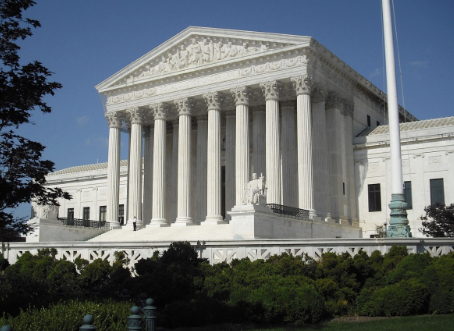 On Thursday, January 14, 2021, the Supreme Court issued a ruling in City of Chicago v. Fulton, that holds “mere retention of property does not violate the [automatic stay in] §362(a)(3)”. Unlike in Florida, the other states in the 11th Circuit (Georgia, Alabama) require a vehicle which is repossessed but not yet sold, prior to the filing of bankruptcy, to be returned to the debtor.
This ruling looks to change this imposition on creditors; however, the Court left a lot of room for debtors to still challenge the retention of held property. They explicitly did not decide whether the turnover obligation in §542 would still require the creditor to return a vehicle in this specific situation, or whether or not §362(a)(4) and (a)(6) would apply as well. Either way, this is a step in the right direction for creditors.
If you have any questions on this ruling or any other bankruptcy matter, please do not hesitate to reach out to one of the attorneys at the Sorenson Van Leuven Law Firm.
